Does Baking Soda Whiten Teeth?
December 9, 2025
The Benefits of a Spanish-Speaking Dentist in Justin: Clear Communication for Better Care
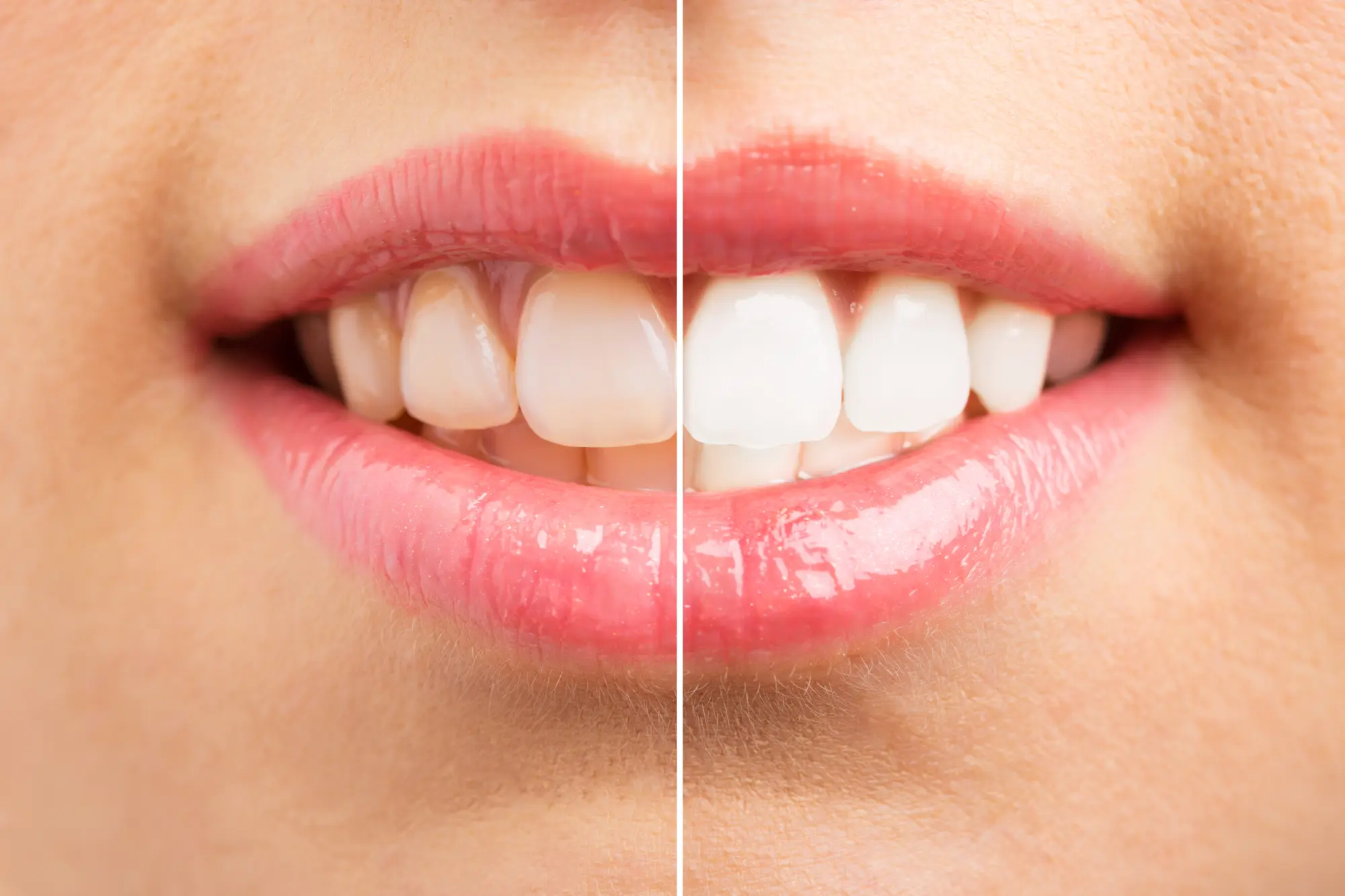
In the quest for a brighter smile, many people turn to household remedies that promise to deliver pearly whites without the hefty price tag of professional treatments. One such popular remedy is baking soda, a staple found in most kitchen pantries. But does baking soda truly whiten teeth, or is it just another myth?
In this blog, we’ll get into the science behind baking soda as a teeth-whitening agent, its benefits, potential risks, and how it compares to other methods. Let's explore whether this humble ingredient can indeed be your ticket to a dazzling smile.
The Science Behind Baking Soda
Baking soda, also known as sodium bicarbonate, is a mild abrasive that can help remove surface stains from teeth. It works by physically scrubbing away the stains, which can result in a visibly whiter appearance. Here's how it works:
- It is alkaline in nature, which helps neutralize acids in the mouth, reducing plaque buildup.
- The gritty texture provides a gentle scrubbing action that aids in removing surface stains.
- It can help freshen breath by neutralizing odors.
This is why many types of toothpaste include baking soda as a mild abrasive. However, it’s important to note that baking soda will not have the same effects as chemical whitening products that contain carbamide peroxide or hydrogen peroxide. It can only remove stains from the surface of your teeth.
Benefits of Using Baking Soda for Teeth Whitening
There are several advantages to using baking soda as a teeth-whitening solution:
- Cost-Effective: Baking soda is inexpensive and readily available, making it an accessible option for many.
- Easy to Use: It can be easily incorporated into your oral hygiene routine by mixing with water or toothpaste.
- Safe for Enamel: When used correctly, baking soda is gentle on enamel compared to some other abrasive whitening products like charcoal toothpaste.
However, it's crucial to use baking soda in moderation to avoid any potential damage to the enamel or gums.
Potential Risks and Considerations
While baking soda is generally safe for occasional use, there are some risks and considerations to keep in mind:
- Overuse can lead to enamel erosion, especially if applied too vigorously or used too frequently.
- Baking soda may not be suitable for individuals with sensitive teeth or gums.
- Using baking soda is not a substitute for brushing with toothpaste. This is because it does not contain fluoride, which is essential for strengthening teeth and preventing cavities.
It's always best to consult with a dental professional before incorporating baking soda into your oral care routine to ensure it's appropriate for your specific needs.
Comparing Baking Soda to Other Whitening Methods
When it comes to teeth whitening, baking soda is just one of many options available. Here's how it compares to other methods:
- Whitening Toothpaste: Formulated with mild abrasives and peroxides, whitening toothpaste doesn’t just remove surface stains, but can also whiten the teeth, too! Whitening Strips: These contain peroxide and can penetrate deeper stains but may cause sensitivity.
- Professional Whitening: Offers the most dramatic results with the guidance of a dental professional, though it is more costly.
Ultimately, the best whitening method depends on individual needs, budget, and the level of staining.
Brighten Your Smile in Justin, TX with Valor Dental
Ready to achieve a brighter, more confident smile? At Valor Dental in Justin, TX, Dr. Greg Kiene and Dr. Chris Merkley offer expert advice and professional whitening treatments tailored to your needs. Whether you're curious about baking soda or interested in exploring other whitening options, our team is here to help you make informed decisions for your oral health. Contact us today at (214) 254-3763 to schedule your appointment and take the first step toward a radiant smile!
Tooth Extractions: Understanding Micro-Fracture Profiles in Cracked Tooth Syndrome